
Focus Areas
Four pillars define our technology work.
We build knowledge, frameworks, and engineering practice across four complementary areas that together describe how intelligent systems are conceived, built, deployed, and governed.
Intelligence Infrastructure
Systems and platforms that enable organizations to build, deploy, and operate intelligent applications at scale.
Read in detailGovernance & Safety
Approaches that improve transparency, accountability, oversight, and responsible deployment of advanced technologies.
Read in detailComputing Systems
Distributed computing, scalable infrastructure, system reliability, and next-generation architectures.
Read in detailAdvanced Research
Emerging technologies and future opportunities that may contribute to long-term technological advancement.
Read in detailPillar 01
Intelligence Infrastructure
Intelligence Infrastructure spans the operational layers required to run intelligent systems reliably: data pipelines, model serving, observability, evaluation, lifecycle management, and the runtime fabric beneath modern AI workloads. Our work in this area examines how these layers should be designed for reliability, scale, and long-term maintainability.
- Model deployment, observability, and lifecycle management
- Data infrastructure for training and evaluation workloads
- Runtime efficiency, scalability, and operational reliability
- Tooling that supports safe, reproducible engineering practice

Pillar 02
Governance & Safety
As intelligent systems become embedded in more of daily life, the practices, frameworks, and tools used to govern them matter as much as the systems themselves. We study technical and organizational approaches to oversight, accountability, evaluation, and responsible deployment.
- Transparency, auditability, and documentation practice
- Risk evaluation frameworks for advanced systems
- Human-in-the-loop oversight and decision boundaries
- Responsible deployment patterns across sectors

Pillar 03
Computing Systems
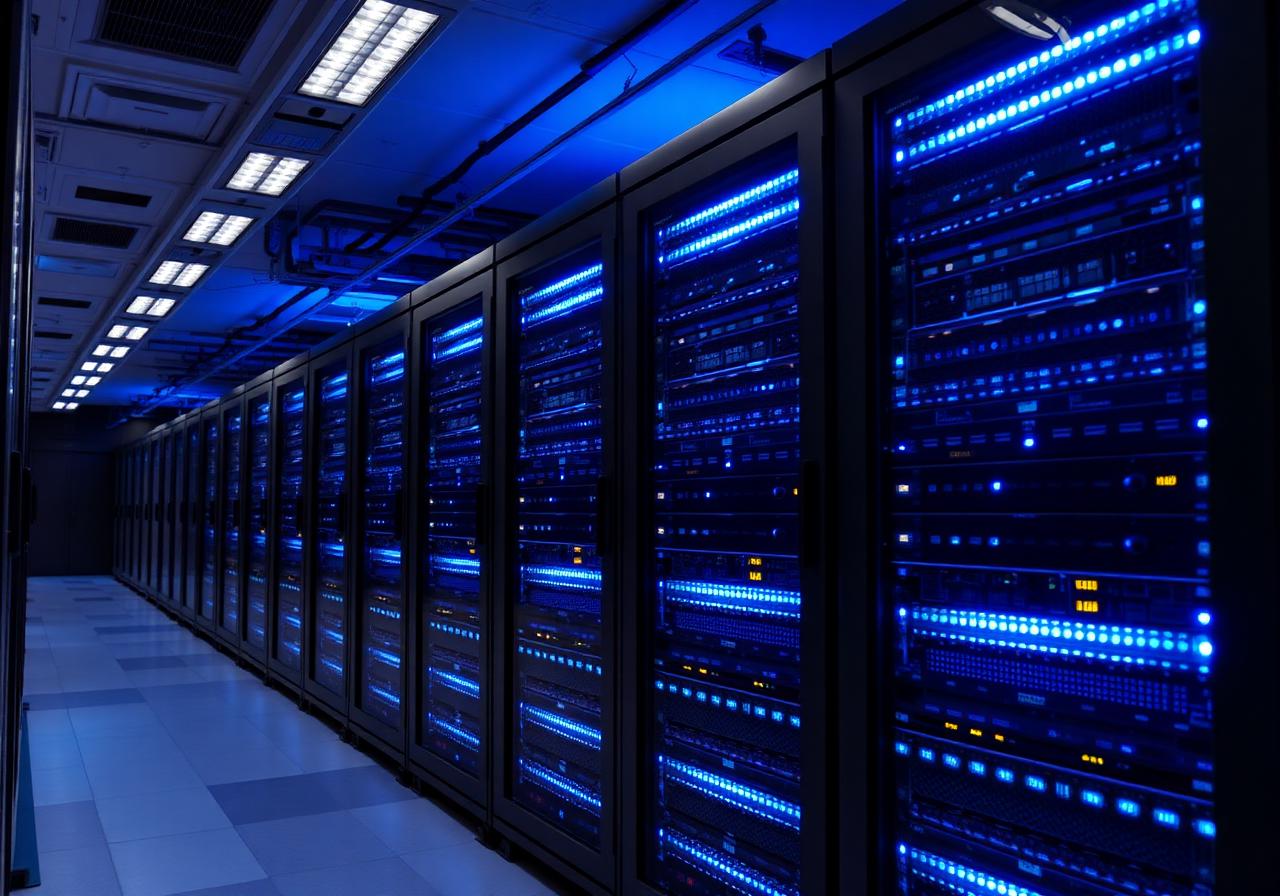
Beneath every intelligent application is a computing substrate — networks of machines, storage, accelerators, and protocols. Computing Systems work at Astinode focuses on the architectures, primitives, and reliability properties that allow these substrates to scale predictably over time.
- Distributed systems and scalability patterns
- Reliability, fault tolerance, and operational engineering
- Next-generation compute architectures and accelerators
- Storage, networking, and data movement at scale
Pillar 04
Advanced Research
Some of the most important technology of the next decade exists today only as early ideas. Our advanced research work explores those ideas: emerging computing paradigms, novel system architectures, and long-horizon directions that may not pay off for years but compound over time.
- Emerging computing paradigms and novel architectures
- Long-horizon research directions in intelligent systems
- Theoretical foundations and system primitives
- Cross-disciplinary exploration of future technologies

Explore our research program
Our focus areas are connected to a broader research agenda spanning intelligent systems, infrastructure, and responsible development.